Pet Temperament Guide: Decode Dog & Cat Behavior
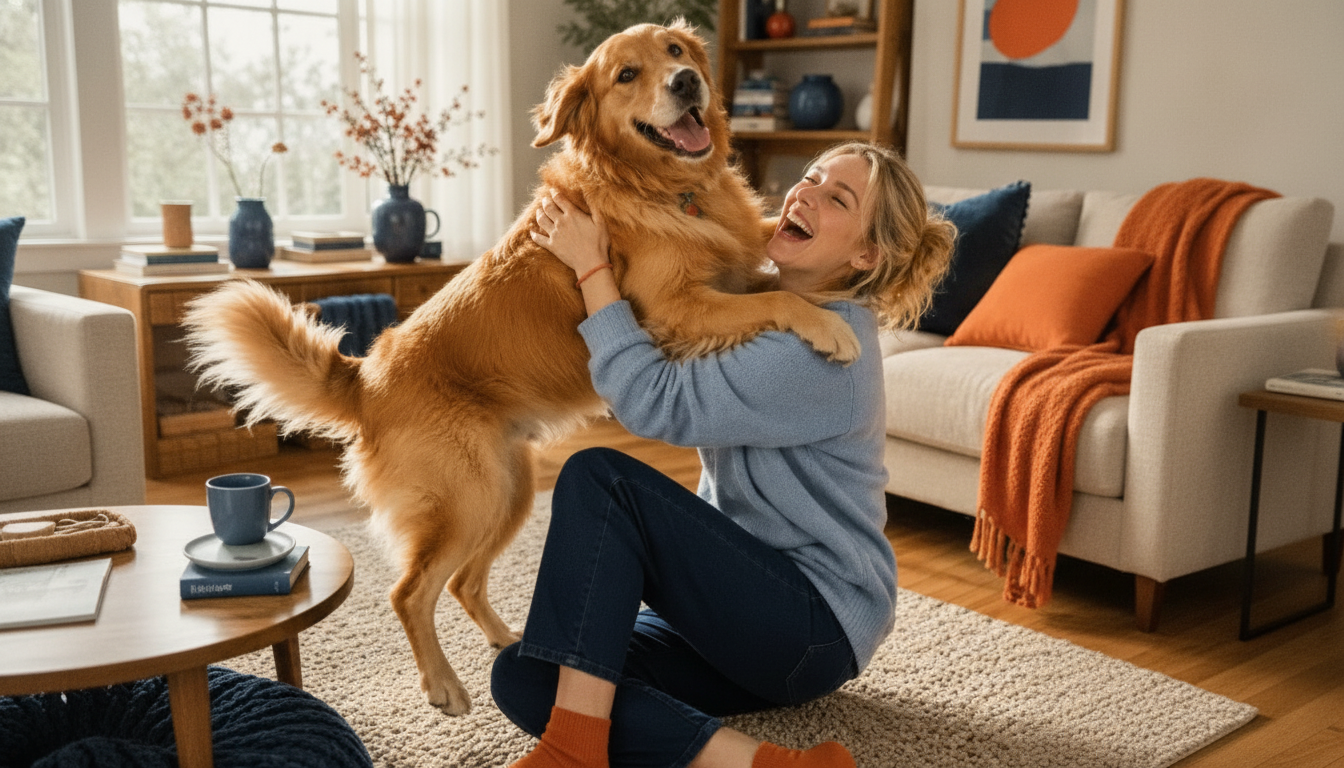
Understanding Your Pet’s Temperament (and Why It Changes Everything)
Temperament is the “default settings” your dog or cat brings into daily life: how they react to handling, noise, strangers, novelty, and training pressure. When that baseline is misunderstood, normal coping signals can look like “attitude,” “stubbornness,” or “spite.” When it’s understood, care becomes simpler: fewer meltdowns, clearer training plans, and better choices about routines, enrichment, and home setup.
For a deeper, step-by-step breakdown you can reference while observing your pet, see Understanding Your Pet’s Temperament: A Complete Guide to Decoding Dog and Cat Behavior for Better Care and Training.
Temperament, personality, and mood: what’s actually being observed
Temperament is relatively stable: sociability, sensitivity, boldness, and how quickly a pet recovers after stress. A cautious dog may warm up to guests over time, but they’ll still prefer a “watch first” approach compared to a social butterfly.
Personality is temperament plus learning history. Socialization, routines, and reinforcement patterns shape what your pet expects. A cat that learned “hissing makes hands go away” is showing effective communication, not “badness.”
Mood and emotion are the short-term layer that can override baseline temperament. A typically confident dog can appear reactive when overtired; a normally aloof cat can become clingy during household changes.
Labels like “stubborn” or “spiteful” usually miss the real drivers: fear, frustration, pain, unclear cues, or reinforcement that accidentally rewards the wrong moment. The goal is to read what the behavior accomplishes for the pet (distance, control, access, relief) and adjust the environment and training plan accordingly.
Quick temperament map: common profiles in dogs and cats
Most pets are a blend, but one profile often shows up strongest in unfamiliar situations.
- Social butterfly: approaches easily, seeks contact; needs boundaries and calm reinforcement to avoid over-arousal.
- Cautious observer: hangs back and watches; thrives on predictable routines and choice-based interactions.
- Sensitive responder: startles easily and dislikes rough handling; needs low-pressure training and gradual exposure.
- Bold explorer: investigates fast; needs safe novelty, outlets, and impulse-control games.
- Independent thinker: common in many cats (and some dogs); prefers interaction on their terms and does best with consent-based handling.
Temperament profile → care and training adjustments
| Temperament clue | Likely need | Helpful approach | What to avoid |
|---|---|---|---|
| Hides, freezes, slow to approach | Safety and control | Choice-based treats, quiet spaces, short sessions | Forced handling, looming over, prolonged eye contact |
| Jumps up, mouthy, frantic greetings | Calm arousal management | Sniff breaks, mat training, structured greetings | Reinforcing excitement with attention at peak arousal |
| Startles at sounds or touch | Gradual desensitization | Distance + treats, gentle handling, predictable cues | Sudden exposure, punishment, unpredictable grabbing |
| Pushy for food/toys, quick to frustrate | Frustration tolerance | Impulse-control games, clear criteria, frequent rewards | Long waits, unclear signals, harsh corrections |
| Very independent, leaves when approached | Consent and choice | Approach-and-retreat, hand target, treat toss | Chasing, cornering, picking up without warning |
Reading body language: signals that matter most
Body language tells you whether your pet is comfortable enough to learn. For dogs, look for a soft body, curved approach, and loose movement versus stiffness, a hard stare, closed mouth, and weight shifted forward. For cats, relaxed ears and slow blinks are good signs; flattened ears, tail twitching, skin ripples, or a crouch-and-freeze suggest rising stress.
Distance-increasing signals—turning away, lip licking, “whale eye,” growling, or hissing—are early warnings, not “misbehavior.” Respecting them prevents escalation. Helpful references include the ASPCA guide to dog body language and the RSPCA overview of cat body language.
Some stress looks like “energy”: zoomies, repetitive pacing, sudden nipping, or frantic meowing. Instead of adding more stimulation, lower intensity—reduce noise, shorten sessions, offer sniffing/foraging, and increase distance from triggers.
Suspect discomfort or pain when behavior changes abruptly: new touch sensitivity, avoidance, litter box changes, or unexpected aggression. When in doubt, a veterinary check comes before training plans.
What shapes temperament over time
Genetics and early development matter. Dogs have breed tendencies, and both species have key socialization windows where gentle, positive exposure can build resilience. But early experiences don’t lock a pet into one outcome—supportive routines still make a big difference.
Environment and predictability help sensitive pets. Consistent meal and walk times reduce stress. Cats benefit from safe retreats and vertical space; dogs benefit from clear household patterns and decompression time.
Learning history is powerful: behaviors that work get repeated. If barking makes a scary person back up, barking becomes more likely. If swatting stops petting, swatting becomes more likely.
Arousal and sleep are frequently overlooked. Overtired pets can present as “hyper” or “cranky,” and rest becomes an invisible part of training support.
Health factors can change tolerance and reactivity. Pain affects both species; urinary discomfort can reshape a cat’s behavior; and medical issues can alter a dog’s baseline. When behavior shifts quickly, rule out medical causes early.
Training by temperament: choosing methods that fit the pet in front of you
For sensitive pets: lower criteria and raise reinforcement rate. Avoid startling corrections; fear associations can form fast, and recovery can take longer than expected. The AVSAB position statements provide a helpful overview of evidence-based approaches and welfare considerations.
Common behavior puzzles and what they often mean
Noise sensitivity (doorbells, vacuums, visitors) improves more with planning than with repeated exposure. Pair mild versions of the trigger with high-value rewards and keep intensity low. For a focused walkthrough, see Helping Pets Handle Vacuum Stress.
Putting it into practice: a 7-day observation and adjustment plan
FAQ
How to tell if someone is a cat or dog person?
Preferences often match lifestyle and interaction style: people who enjoy frequent social contact and structured outings may lean “dog,” while those who prefer quieter companionship and more flexible interaction may lean “cat.” Housing rules, allergies, past experiences, and time available usually matter more than personality stereotypes, and many people genuinely enjoy both.










Leave a comment