When to Start Potty Training a Puppy (8 Weeks & Up)
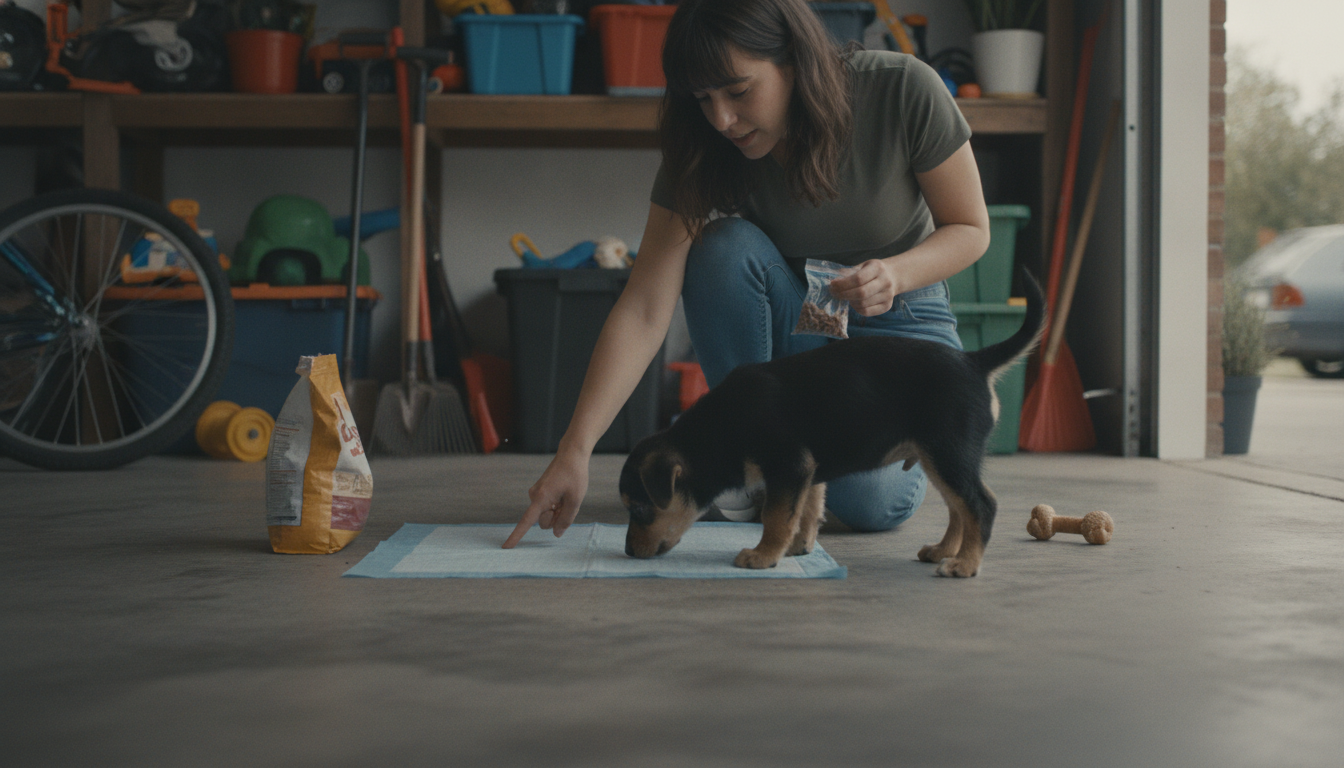
When do you start training a puppy to potty?
Start potty training the day your puppy comes home. Most puppies can begin learning a routine at 8 weeks old, even if they can’t “hold it” for long yet. Early training is less about perfect bladder control and more about teaching your puppy where to go, what the schedule feels like, and how to earn rewards for doing it right.
What age is “too early” to begin?
It’s rarely too early to start building habits, as long as expectations are realistic. Very young puppies may need to go out every 30–60 minutes when awake, plus after meals, naps, play sessions, and drinking water. If accidents happen, that’s normal—consistency and repetition are what make the routine stick.
How to start potty training right away
Pick one potty spot outside and take your puppy there on a leash. Wait quietly, then reward immediately after they finish (treats and upbeat praise work well). Keep the first weeks simple: frequent trips, lots of positive reinforcement, and close supervision indoors.
- Take them out first thing in the morning and right before bed.
- Go out immediately after eating, drinking, waking up, or energetic play.
- Use a consistent cue like “go potty” and keep it calm.
- Supervise or use a crate/playpen to prevent sneaky accidents.
How long does it take to potty train a puppy?
Many puppies show steady improvement within a few weeks, but reliable potty training often takes 3–6 months depending on age, breed, schedule, and consistency. Expect occasional setbacks during growth spurts, changes in routine, or when your puppy gets more freedom too soon.
What if my puppy keeps having accidents?
Accidents usually mean the schedule needs tightening, supervision needs improving, or the potty trips aren’t happening often enough. Clean indoor messes with an enzymatic cleaner to remove odor, and avoid punishment—scolding can make puppies hide and go indoors more discreetly.
For a deeper step-by-step routine and troubleshooting tips, visit the complete guide on when to start potty training a puppy.
FAQ
How often should I take my puppy out to pee?
When they’re awake, plan on every 30–60 minutes at first, plus after naps, meals, play, and drinking water. As they grow and stay accident-free, you can gradually extend the time between trips.










Leave a comment